
Summer is approaching, the racing season already started for many of us. This also means the high country is creeping open for those of us reckless or lucky enough to live in the mountains. If you’re goal races are above about 5,000-6,000′ altitude, it’s time to consider altitude acclimatization.
For the readers in obstacle course racing (OCR). There are a number of significant events this year where you’ll be out on a course over 6,000′ in altitude. Just check out the following stats.
- OCR World Championship – Mammoth Mountain, California. Peak race altitude of 9,859ft,
- Spartan National Series – Utah. Peak race altitude of 8,374ft,
- Spartan National Series Mexico – CDMX. Peak race altitude of 8,126ft,
- Spartan National Series – Big Bear, CA. Peak race altitude of 8,064ft, and
- Spartan Ultra World Championships – Morzine, France. Peak race altitude of 6,404ft.
It’s my intent to educate you enough that you can make up your own recipe as you go -without losing anyone in crazy details and protocols.
With that in mind, let’s start with some basics and what you sorta-kinda-already know.
There’s less oxygen available to you at high altitudes, due to decreased air pressure (hypobaria). The precious oxygen you’re trying to extract with your finite lung volume is more spaced out in 3 dimensions, so you breathe faster (and hopefully deeper) in order to get the same amount of actual O2 in your system. Over the course of 24-72 hours high, your body will simply piss away some plasma (the liquid part of your blood) in order to increase the density of red blood cells trying to pull the suddenly-less-dense O2 molecules from your lungs.
If you stay up for 3-8 weeks, your body will crank out extra red blood cells to fully compensate and you will know longer perceive the thin air.
But. That’s not a reasonable timeline for most people with real lives.
To pre-game for that stress, there are a few methods I’ve used.
Fitness
One method is to do nothing, just build fitness, and plan to slow down at high altitude.
That’s what I did going into my first season racing up high. While I’d love to weave a colorful yarn about feeling like I’ve never run before simply from going from 5K to 10K feet, I’ll save it and just say that doing nothing beyond your normal training is not an enjoyable option. With that outta the way, let’s move into some further interventions, from simplest to most advanced.
Nutrition
The base of everything is what you eat. Tour riders walk around with “critically high” iron levels for a reason. So I’d like to start here with a consideration appropriate for plant-based athletes, as well as one for meat eaters.
Iron is vital and discussed to no end, but consider copper. And zinc might be on your radar, to avoid sickness or to boost T.
But zinc and copper work together with iron to maximize your red blood cell numbers and function. Your iron problem might not have anything to do with iron consumption therefore. Supplement with zinc and you might end up out of balance on the copper front. Ever had a copper IUD? You might be off center the other way. A supplement with both is a baby step in the right direction, an organ meat complex in a pill is another.
Organ meat is supreme. Loads of copper, enough zinc, some bioavailable iron, and even vitamin A to rev it all up.
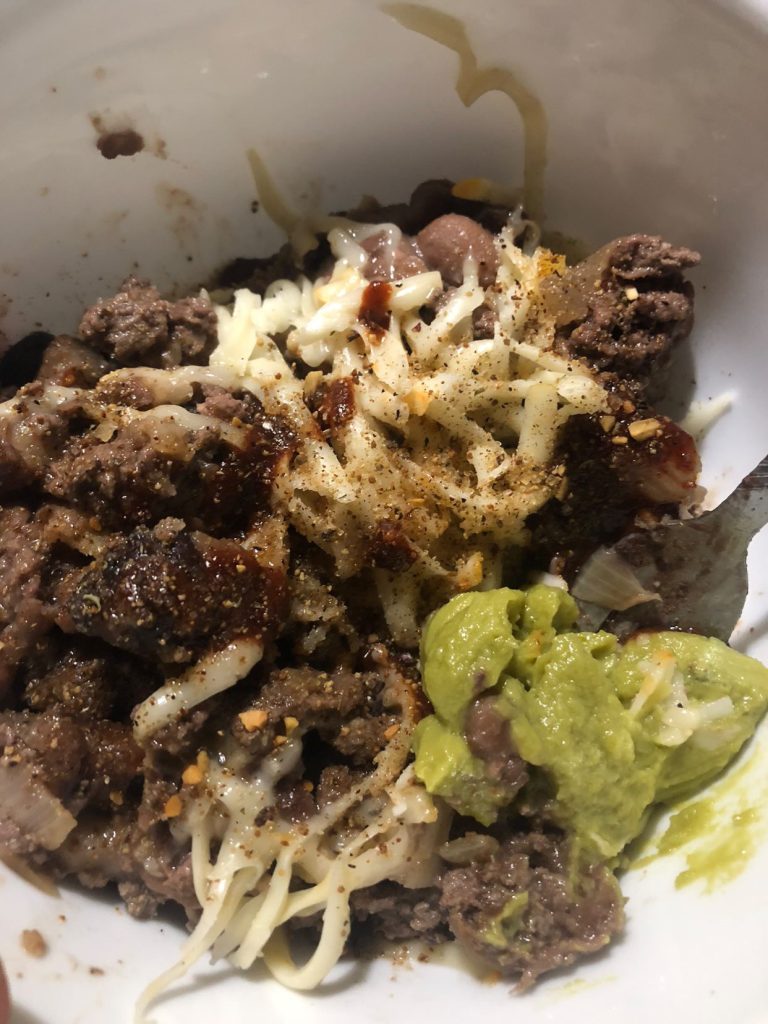
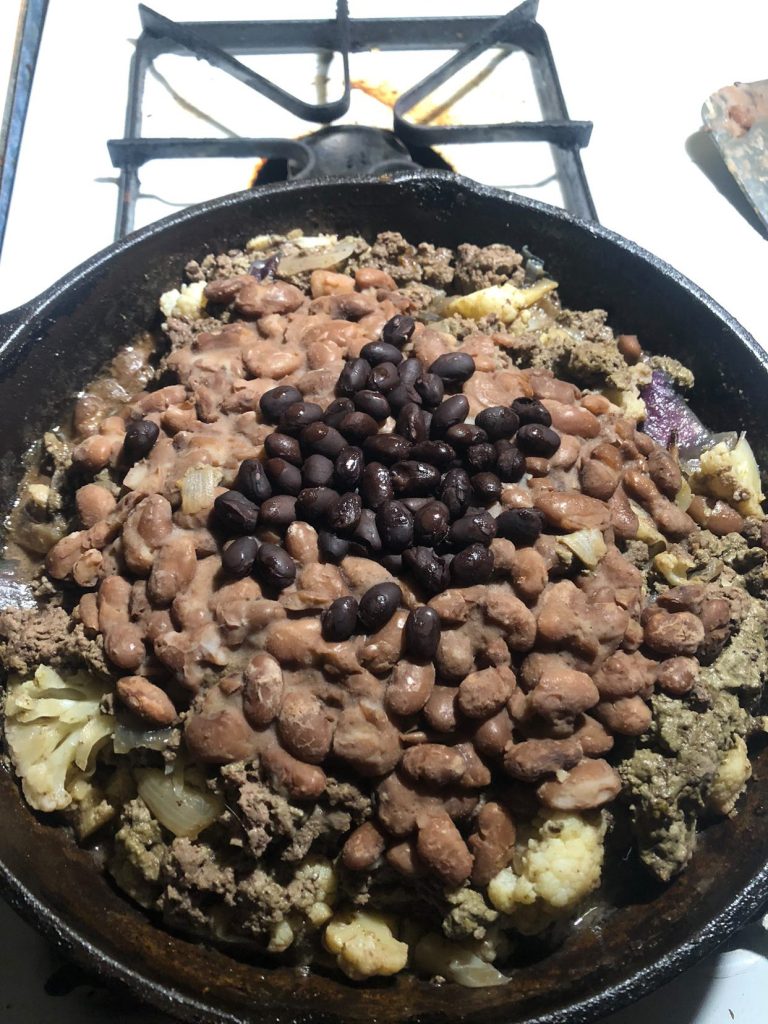
So try thin cut liver with bacon and onions, with BBQ sauce and you’ll probably come around. If not, ask a rancher for an organ meat blend, possibly labeled “dog food” (read: cheap!) like my local source, or even mix up your own if it comes to it. I make tacos that you’d never know have zero muscle meat in them!

For those abstaining from animal products, consider phytates.
Nuts, seeds, legumes, and grains all have an appreciable load of phytates, presumably to stop animals from eating the next generation of the species. This anti-nutrient can bind up your iron and/or zinc, throwing off the balance discussed above.
Soaking and sprouting are the best tools here! I’m aware that’s a pain most people won’t take, and the phytate by itself can act as a beneficial antioxidant, so an easier option to love might be taking a phytase supplement, like GoodPhyte, to clear out the negatives and hopefully keep the positives of these foods. I think everyone should eat more seeds and nuts after all, for the exact minerals we need to optimize our oxygen carrying capacity.

Breathwork
Anything is better than nothing here.
Wim Hoff or picking up a wind instrument. Holotrpoic breathwork like we do here in Durango with “the midwife of souls” is a spiritual challenge and a workout for your lungs.
Nasal breathing is also an extremely simple and undeiably beneficial thing to take up for your easy and moderate runs. A great test to consider if all this is working is a CO2 tolerance exhale:
Take a few breaths, then exhale as slowly as possible for as long as you can without interupting the exhale. Maybe make a hiss sound so you know it’s steady. 30 seconds or less isn’t ideal, 90 seconds plus means you probably have less to gain from targeting CO2 tolerance.
Even if you don’t make blood cells from this -and you probably don’t- learning to work your lungs independent of running speed and how to manage the discomfort will help you on race day. A variety of methods will be better than any particular one, since the point is the novelty for your respiratory system more than getting good at breath holds, etc.
Minimum Effective Altitude Exposure
One shift I did, while still living at the low end of altitude on the Front Range of Colorado was sleeping up high.
Sorry, Boulder or Golden barely offer you anything beyond sea level spots -if we’re talking about racing above 8-9K.
But one major hack for people in that sort of scenario is hiking up as high as possible to sleep.
I slept on a 14’er (a mountain above 14k feet above sea level) 2-3 times between the Leadville Trail Marathon in June and the 50 miler in July and went much faster per mile with only a trivial amount of work, over twice the distance.
The science doesn’t have much to say about this approach, but just me guessing here, hormones rage and the system learns where homeostasis is while sleeping. I’d bet a 6K foot mountain could work for East Coast’ers.
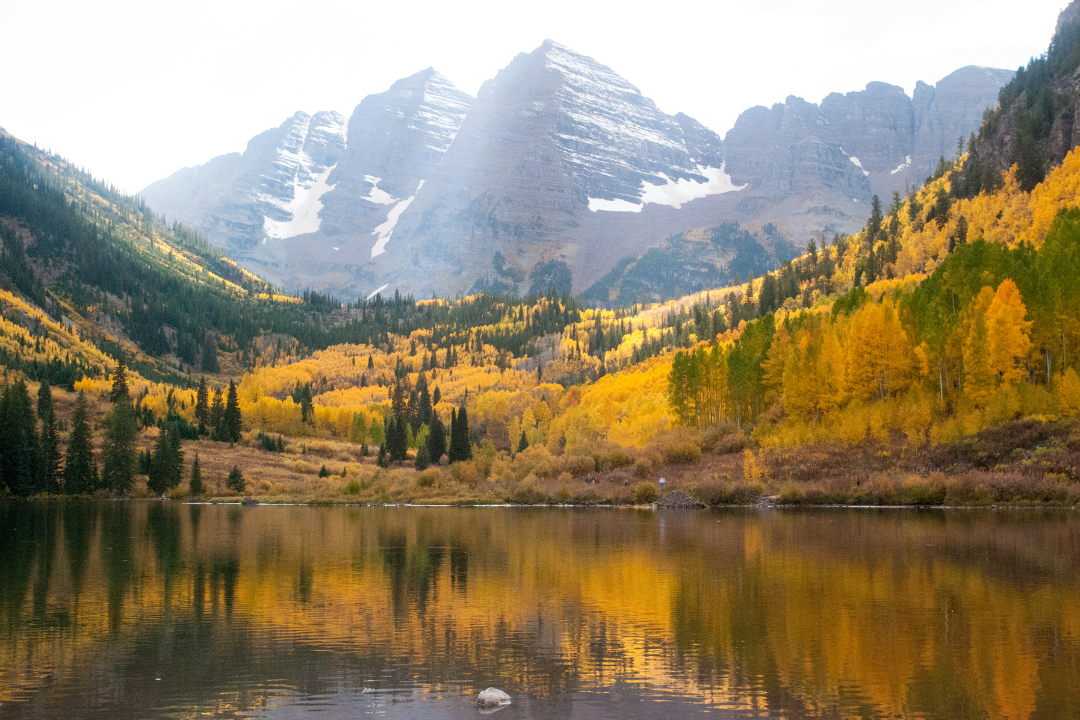
Check out this article to iron out your own minimum effective dose.
Hypoxic Air Gennies
The fanciest way around this is hypoxic air generators.
By scrubbing oxygen out of the air, adding nitrogen to it, or potentially both, these noisy machines decrease the partial pressure of oxygen. This is slightly different than “real altitude,” so studies have struggled to know how to utilize it. It’s my assertion that this explains the many studies showing no benefit. I also believe there are smarter ways to use hypoxic air to maximize performance, ones that athletes and coaches are onto that science doesn’t have the bandwidth to play with.
Generally, people agree that getting your blood oxygen saturation down low repeatedly aids performance, at real altitude or at sea level -given a strong enough stimulus. And that’s where we get to the business end of things. If the altitude is more important than the training, just get your blood oxygen down as low as possible as often as possible. Sure, you’ll feel like death while training, but your blood will look like a doped up European mountain runner. Obviously, there’s a sweet spot where you can get most of the benefits with the least hit to recovery and daily performance.
After doing a lot of research and talking with a few nerds and company founders, I’m convinced Mile High makes the best stuff on the market. But however you acquire your oxygen depleted air to huff, there are two major approaches to using it.
First, intermittent hypoxic exposure, which could be as little as 15-20 minutes per day to as much as 60-90 minutes. This is the protocol I’ve leaned on most heavily since it doesn’t perceptibly affect my recovery and it doesn’t take too long. One hour of thin air, at as low O2 as you can handle (reminder, I’m an athlete not a doctor!) is backed by my interpretation of the literature to spark some adaptation without subjectively putting me in a hole. This can be done while walking on incline, jogging, or (my favorite) just struggling to stay alive while laying on the couch at the equivalent of a runaway hot air balloon launched from Everest.
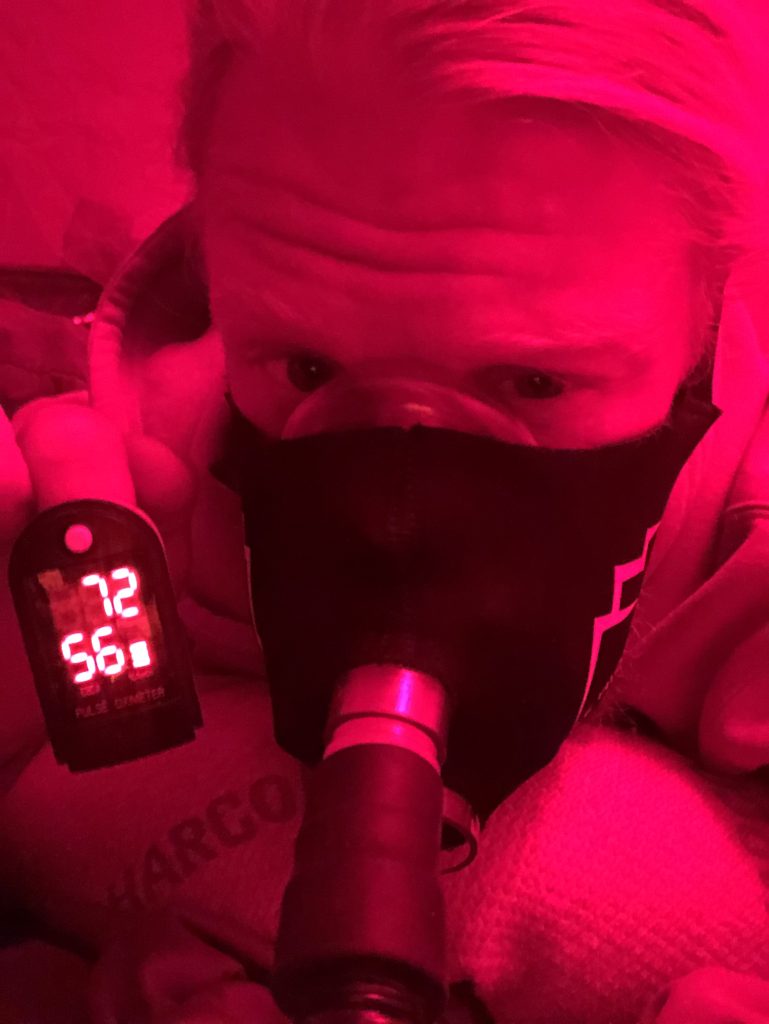
The second option I really like, given more time to prepare for your A race, is the leverage the ability to titrate up the hypoxic stimulus and “sleep high, train low.” In theory, you could go 500-1K feet higher each week for 6-12 weeks. Dial in your life stressors and nutrition and this would have to make you a monster, without ruining your training like a sudden trip to Silverton, CO might.
I’ll report back from the Leadville 100 finish line in August to let you know how it went.
At the end of the day, we are the pioneers!



Leave a Reply